

What is hydrogen fluoride?
Hydrofluoric acid (HF) is a colorless, highly irritating gas with a characteristic pungent odor. When it comes into contact with moisture, it forms hydrofluoric acid, one of the most dangerous acids in existence. Due to its high reactivity, hydrofluoric acid is used in numerous industrial processes, including the production of fluorochemicals, plastics, refrigerants, and semiconductors, as well as in glass etching.
Hydrofluoric acid is currently receiving special attention due to the increasing prevalence of lithium-ion batteries. In the event of battery malfunctions, overheating, or fires, HF can be released as a hazardous decomposition product.
How is hydrogen fluoride produced in lithium-ion batteries?
Lithium-ion batteries often contain fluorine-based electrolytes. If the battery is damaged or experiences what is known as “thermal runaway”—that is, an uncontrolled chain reaction inside the battery—various flammable and decomposition gases can be released.
Hydrofluoric acid is one of these gases. Studies of battery fires show that significant amounts of HF can be released during such fires. Fire departments, safety agencies, and research institutions therefore consider hydrofluoric acid to be one of the most significant hazardous gases in lithium-ion battery fires.
The danger isn't limited to times when a fire is burning. Critical gases can be released even in the event of thermal malfunctions, overheating, or incipient damage to battery systems.

Where is hydrogen fluoride used?
With the expansion of electric mobility and stationary energy storage systems, the number of areas where monitoring hydrogen fluoride may be useful is increasing.
These include, among other things:
- Battery Storage
- Recycling facilities for lithium-ion batteries
- Operators of stationary battery storage systems
- BESS Systems (Battery Energy Storage Systems)
- Solar Farms with Battery Storage
- Network Operator
- E-Mobility Infrastructure
- Laboratories and Research Facilities
- Industrial facilities that use fluorochemicals
- Early Fire Detection Systems
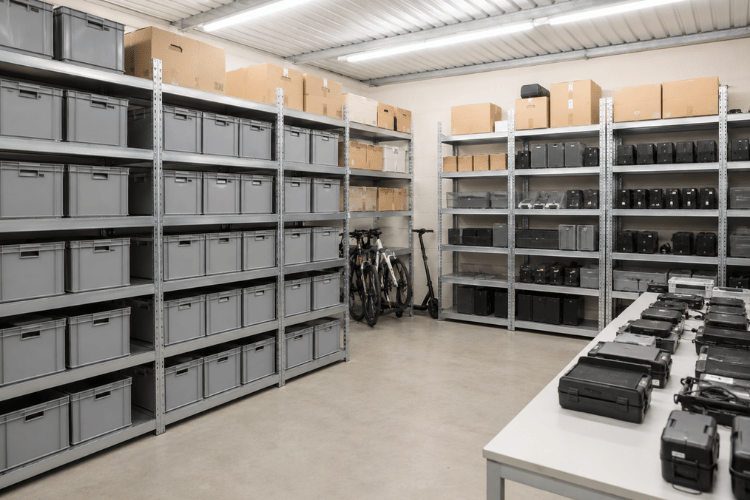
- Evidence storage facilities operated by government agencies
In these areas, early detection of hydrogen fluoride can help identify hazards more quickly and initiate appropriate protective measures.
What are the health hazards associated with hydrogen fluoride?
Hydrofluoric acid is one of the most dangerous irritant and corrosive gases. Even low concentrations can cause health problems.
Possible symptoms upon inhalation include:
- Irritation of the eyes, nose, and throat
- Cough
- Burning sensation in the respiratory tract
- Tightness in the chest
- Shortness of breath
At higher concentrations, this can lead to severe lung damage or life-threatening pulmonary edema.
What makes this particularly insidious is that symptoms may sometimes appear later. At first, those affected may still feel relatively normal, even though serious damage has already begun.
When hydrogen fluoride comes into contact with moisture, hydrofluoric acid is formed. Contact with the skin or eyes can cause severe chemical burns. In addition, systemic symptoms of poisoning may occur, including:
- Nausea
- Vomiting
- Abdominal pain
- Calcium Imbalance
- Cardiac arrhythmia
If exposure to hydrogen fluoride or hydrofluoric acid is suspected, seek medical attention immediately.
What are the exposure limits for hydrogen fluoride?
Because hydrogen fluoride can be harmful to health even at low concentrations, strict occupational exposure limits apply.
According to TRGS 900, the occupational exposure limit is:
- 1 ppm hydrogen fluoride
- or 0.83 mg/m³
In addition, there are regulations regarding peak limits, since even brief exposures can be harmful to health.
Why should hydrogen fluoride be measured?
Hydrofluoric acid is not always reliably detectable by smell. In addition, dangerous concentrations can develop before people even notice the exposure.
Continuous air monitoring therefore offers important benefits:
- Early detection of leaks or battery problems
- Visualization of Stresses
- Assistance with Risk Assessment
- Protection of Employees and Emergency Responders
- Support for Emergency and Evacuation Measures
Particularly in areas where lithium-ion batteries are used, RF measurement should be part of a comprehensive safety plan.
Measuring Hydrogen Fluoride with the air-Q
The air-Q air analyzer can be equipped with a special HF sensor for monitoring hydrogen fluoride.
This allows hydrogen fluoride concentrations to be continuously monitored and documented. The measured values are displayed in real time and can be combined with other environmental and pollutant data.
The air-Q enables the early detection of potentially hazardous conditions, particularly in battery storage facilities, BESS systems, solar farms with battery storage, laboratories, and industrial applications.
An additional advantage: The air-Q not only measures hydrogen fluoride, but can also monitor numerous other air parameters at the same time. This provides a comprehensive picture of air quality and potential sources of danger.
Conclusion
Hydrofluoric acid is a highly hazardous gas that is becoming increasingly important, particularly in connection with lithium-ion batteries. Even low concentrations can damage the eyes, respiratory tract, and skin. Battery fires can release significant amounts of HF, which is why reliable gas detection is becoming increasingly important.
Continuous monitoring with a hydrogen fluoride sensor enables the early detection of critical situations and helps protect people, equipment, and infrastructure. Systems such as the air-Q can help make hydrogen fluoride detectable and identify risks in a timely manner.
%20(12).avif)


.jpg)


