
Our blog is about indoor air and air quality
Our blog serves as a guide, a reference, and a source of information. Here you'll find solid expertise, practical advice, and the latest research on air quality and a healthy indoor climate.

Why do bedrooms feel stuffy in the morning during the summer, even if the window is open?
Many people sleep with the window open in the summer, yet they still wake up feeling stuffy, tired, or with a headache. The reason is usually a combination of heat, rising CO₂ levels, and a lack of air circulation in the bedroom.
More information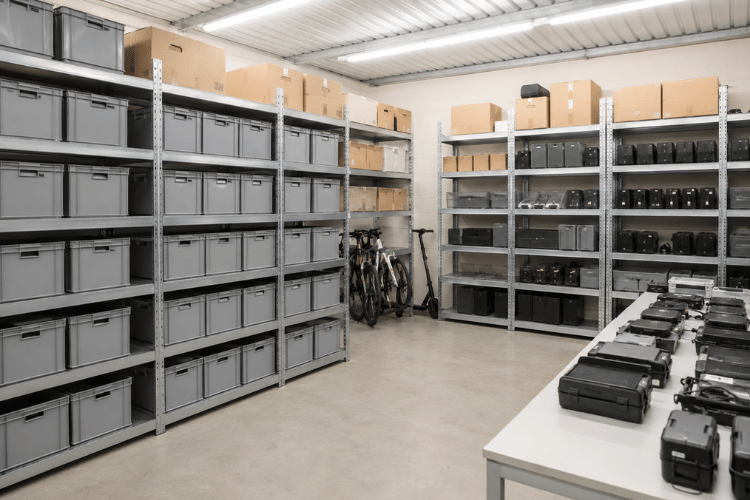
Hydrogen Fluoride: An Invisible Danger in Battery Fires and Technical Facilities
Hydrogen fluoride (HF) is a highly dangerous gas that can be produced, among other causes, by defects or fires in lithium-ion batteries. Find out what health risks exist, what exposure limits apply, and why continuous monitoring with an HF sensor is important for battery warehouses, BESS facilities, and industrial applications.
More information
These air quality readings are especially important in the summer
In the summer, high temperatures aren't the only factor affecting indoor air quality. CO₂, humidity, temperature, ozone, fine particulate matter, and VOCs also affect indoor air quality, which is why regular monitoring is beneficial for health, well-being, and performance.
More information
How CO₂ Affects Cognitive Performance
High indoor CO₂ levels can affect concentration, attention, and decision-making. Find out why CO₂ is an important indicator of indoor air quality and how air-Q helps make air quality visible and improve it in a targeted way.
More information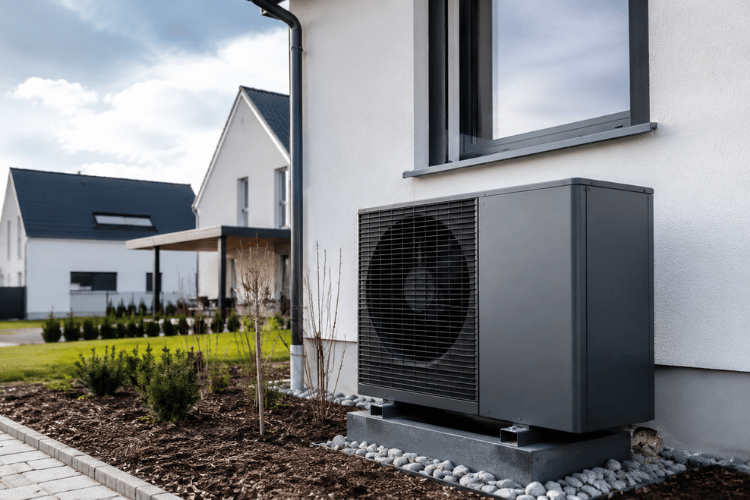
Measuring Infrasound: Causes, Effects, and Why Measurement Can Be Useful
Infrasound is generated by both natural sources and technical equipment. Although it is often inaudible, it can be perceived as annoying. Find out what effects infrasound can have, how it is assessed, and how the air-Q assists with measurement and analysis.
More information
How do air conditioners affect indoor air quality?
Air conditioners provide comfortable temperatures, but they also affect indoor air quality. This article explains how air conditioners can affect humidity, CO₂, and pollutants, what health risks may arise, and how to reliably monitor air quality.
More information
Ventilation Concepts: Why They're More Important Than Ever Today
A ventilation plan ensures an adequate supply of fresh air and protects buildings from moisture and mold. This article explains the requirements of the DIN 1946-6 standard, why replacing windows may necessitate a ventilation plan, and how to monitor air quality using the air-Q.
More information
Fine Particles and Health: The Invisible Indoor Hazard and How Modern Air Monitoring Can Help
Fine particles indoors pose an invisible but serious health risk. PM2.5 particles are not only caused by traffic, but also by everyday activities such as cooking, heating, or burning candles. What’s particularly concerning is that this pollution often goes unnoticed. Air quality monitoring makes it visible and enables targeted improvements to indoor air quality.
More information
Dew Point in Spring and Summer: Why Ventilating Suddenly Causes Humidity
Indoor humidity is also an issue in the spring and summer. The dew point explains why ventilating can sometimes introduce additional moisture. The air-Q measures air temperature and humidity, detects critical conditions, and uses data to help protect against condensation and mold growth.
More information
QNG and Indoor Air Quality: Why Sustainable Buildings Need More Than Just Certifications
El QNG evaluates sustainable buildings comprehensively and according to clear requirements. But the true quality of a building only becomes apparent in day-to-day use. The QNG, QNG-Plus, and indoor air quality are the focus of attention. Monitoring indoor air quality with the air-Q is becoming increasingly important for quantifying the health and comfort of buildings in operation.
More information
Indoor Radon-222: Detecting and Measuring an Invisible Hazard
Radon-222 is a naturally occurring radioactive gas that can enter homes through cracks and crevices. It increases the risk of lung cancer, but remains invisible. With the air-Q, you can continuously monitor radon levels, detect elevated levels, and take specific measures to protect your indoor air quality.
More information
Indoor Dust Emissions: Causes, Risks, and How to Improve Air Quality
Dust in the home comes from everyday activities, dry air, and external factors. Very fine particles, in particular, can affect the respiratory tract. This article explains when dust becomes a problem, what causes it, and how you can specifically measure and improve air quality using the air-Q.
More information