
Our blog covers indoor air and air quality
Our blog serves as a guide, a reference, and a source of information. Here you’ll find solid insights, practical advice, and the latest research on air quality and a healthy indoor climate.
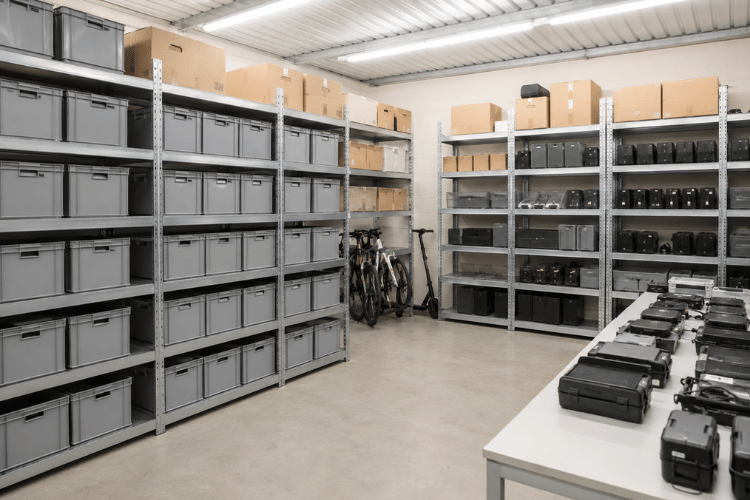
Hydrogen Fluoride: An Invisible Danger in Battery and Technical Facility Fires
Hydrogen fluoride (HF) is a highly hazardous gas that can form, for example, during malfunctions or fires involving lithium-ion batteries. Learn about the associated health risks, the applicable exposure limits, and why continuous monitoring with an HF sensor is important for battery warehouses, BESS facilities, and industrial applications.
Learn more
These air quality readings are particularly important in the summer
In the summer, it’s not just high temperatures that affect indoor air quality. CO₂, humidity, temperature, ozone, fine particulate matter, and VOCs also influence indoor air quality, which is why regular monitoring is beneficial for health, well-being, and performance.
Learn more
How CO₂ Affects Cognitive Performance
High indoor CO₂ concentrations can impair concentration, attention, and decision-making ability. Learn why CO₂ is an important indicator of indoor air quality and how air-Q helps make air quality visible and improve it in a targeted manner.
Learn more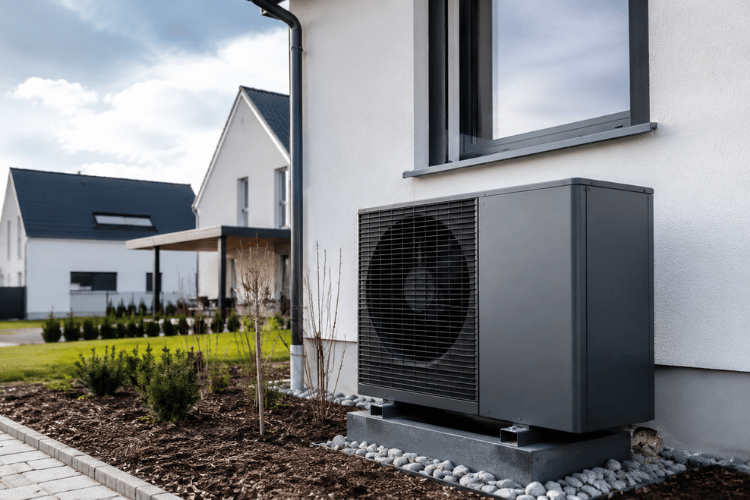
Measuring Infrasound: Causes, Effects, and Why Measurement Can Be Useful
Infrasound can originate from both natural sources and technical equipment. Although it is often inaudible, it can be perceived as a nuisance. Learn about the effects of infrasound, how it is assessed, and how air-Q helps with measurement and analysis.
Learn more
Ventilation Concepts: Why They Are More Important Today Than Ever Before
A ventilation system ensures an adequate supply of fresh air and protects buildings from moisture and mold. This article explains the requirements of the DIN 1946-6 standard, why replacing windows may make a ventilation system necessary, and how to monitor air quality using air-Q.
Learn more
Fine Particles and Health: The Invisible Indoor Danger and How Modern Air Monitoring Helps
Indoor fine particulate matter poses an invisible but serious health risk. PM2.5 comes not only from road traffic, but also from everyday activities such as cooking, heating, and burning candles. What’s particularly concerning is that this pollution often goes unnoticed. Air quality monitoring makes it visible and enables targeted improvements to indoor air quality.
Learn more
Dew Point in Spring and Summer: Why Ventilating Suddenly Causes Moisture
Indoor humidity is also an issue in the spring and summer. The dew point explains why ventilating a room can sometimes introduce additional moisture. The air-Q measures air temperature and humidity, detects critical conditions, and uses data to help protect against condensation and mold growth.
Learn more
QNG and Indoor Air Quality: Why Sustainable Buildings Need More Than Just Certificates
The QNG evaluates sustainable buildings comprehensively and according to clear criteria. But a building’s true quality is only revealed in everyday use. The QNG, QNG-Plus, and indoor air quality are the focus here. Indoor air monitoring with air-Q is becoming increasingly important for quantifying the health and comfort of buildings during operation.
Learn more
Indoor Radon-222: Detecting and Measuring an Invisible Hazard
Radon-222 is a naturally occurring radioactive gas that can enter homes through cracks and crevices. It increases the risk of lung cancer, yet remains invisible. With air-Q, you can continuously monitor radon levels, detect high readings, and take targeted measures to protect your indoor air quality.
Learn more
Indoor Dust Emissions: Causes, Risks, and How to Improve Air Quality
Dust in the home is caused by everyday activities, dry air, and external factors. Very fine particles, in particular, can irritate the respiratory tract. This article explains when dust becomes a problem, what causes it, and how to measure and improve indoor air quality in a targeted manner using the air-Q.
Learn more
Humidité de l'air au printemps : pourquoi elle reste importante
Au printemps en particulier, l'humidité de l'air augmente souvent sans qu'on le remarque, ce qui peut favoriser la formation de moisissure. Cela peut devenir un problème surtout dans la chambre à coucher, le salon et la cave. Des appareils de mesure comme l'air-Q aident à rendre visibles les valeurs pertinentes et à établir un climat intérieur idéal.
Learn more
Déshumidificateurs naturels : comment améliorer votre climat intérieur sans produits chimiques
Une humidité de l'air trop élevée peut provoquer des moisissures et une mauvaise qualité de l'air. Les déshumidificateurs naturels comme le sel, le charbon actif ou les plantes offrent des solutions simples. Avec l'air-Q, mesurez l'humidité de l'air en temps réel et identifiez les mesures qui améliorent réellement votre climat intérieur.
Learn more