
L’air-Q mesure-t-il le pollen
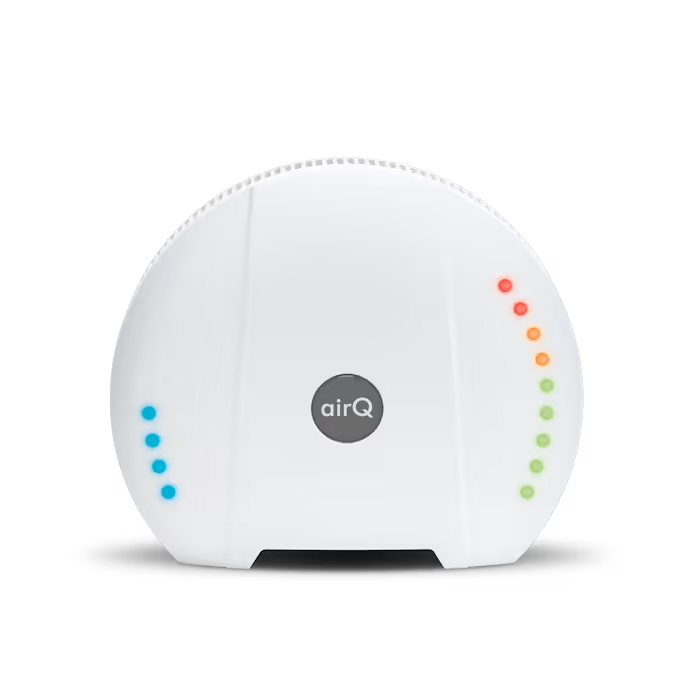
Pollen, which ranges from 10 to 100 µm in size, is significantly larger than typical fine particulate matter (PM2.5 = less than 2.5 µm, PM10 = less than 10 µm). This means that the air-Q fine particulate matter sensor reports a high PM10 value and thus reacts to some of the pollen, but cannot distinguish pollen from street dust or other coarse particles.
Pollen fragments are more problematic for people with allergies than whole pollen grains: when it rains or humidity is high, pollen bursts open and releases fragments ranging from 0.5 to 5 µm in size—which fall within the PM2.5 range. These fragments are highly allergenic and often trigger severe reactions and asthma attacks.
The L’air-Q detects these pollen fragments. Here, too, however, it is not possible to distinguish between the different types of pollen.
For comparison, common allergenic pollens:
Myosotis — 10–12 µm
Birch - 20–25 µm
Grasses - 25–35 µm
Rye - 70–90 µm
Hazel - 20–30 µm
Alder - 20–30 µm
Mugwort - 18–25 µm
Ragweed - 18–22 µm