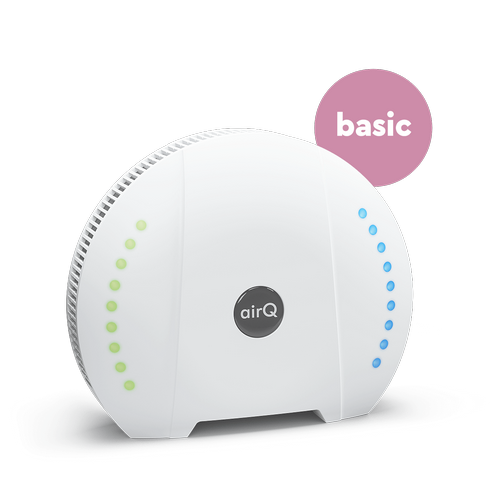
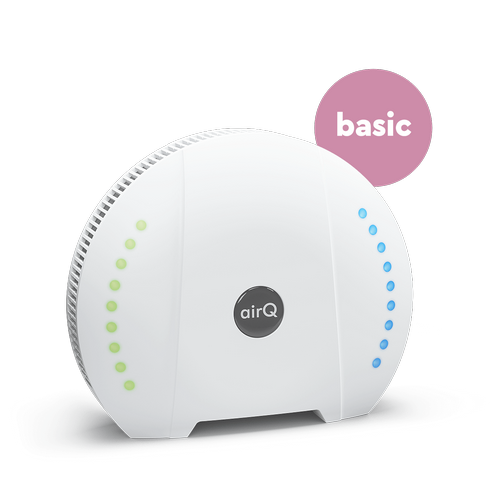
air-Q basic - The all-around solution for demanding air quality measurements
- Carbon dioxide
- Volatile Organic Compounds
- Relative humidity
- Air temperature
- Noise
- Fine Particles
- Carbon monoxide
- Atmospheric pressure
With up to 14 sensors, the air-Q monitors the air to detect contaminants and factors that also promote mold growth. The mold index constantly evaluates humidity, temperature, and other factors that promote mold growth, thereby flagging potential risks early on. This allows you to take specific preventive measures before visible damage occurs.
Buy the air-Q and prevent mold

Mold in homes is usually caused by a combination of excessively high humidity and insufficient air circulation. Common causes include construction defects such as thermal bridges in exterior walls, leaky roofs, faulty water pipes, or poorly insulated windows, where condensation forms. Rising damp from the ground can also penetrate the masonry and promote mold growth there. In addition, everyday activities such as showering, cooking, or drying clothes indoors contribute significantly to increased humidity. If these areas are not adequately ventilated or heated, damp spots can form on walls, ceilings, and in bathrooms—creating an ideal breeding ground for mold.
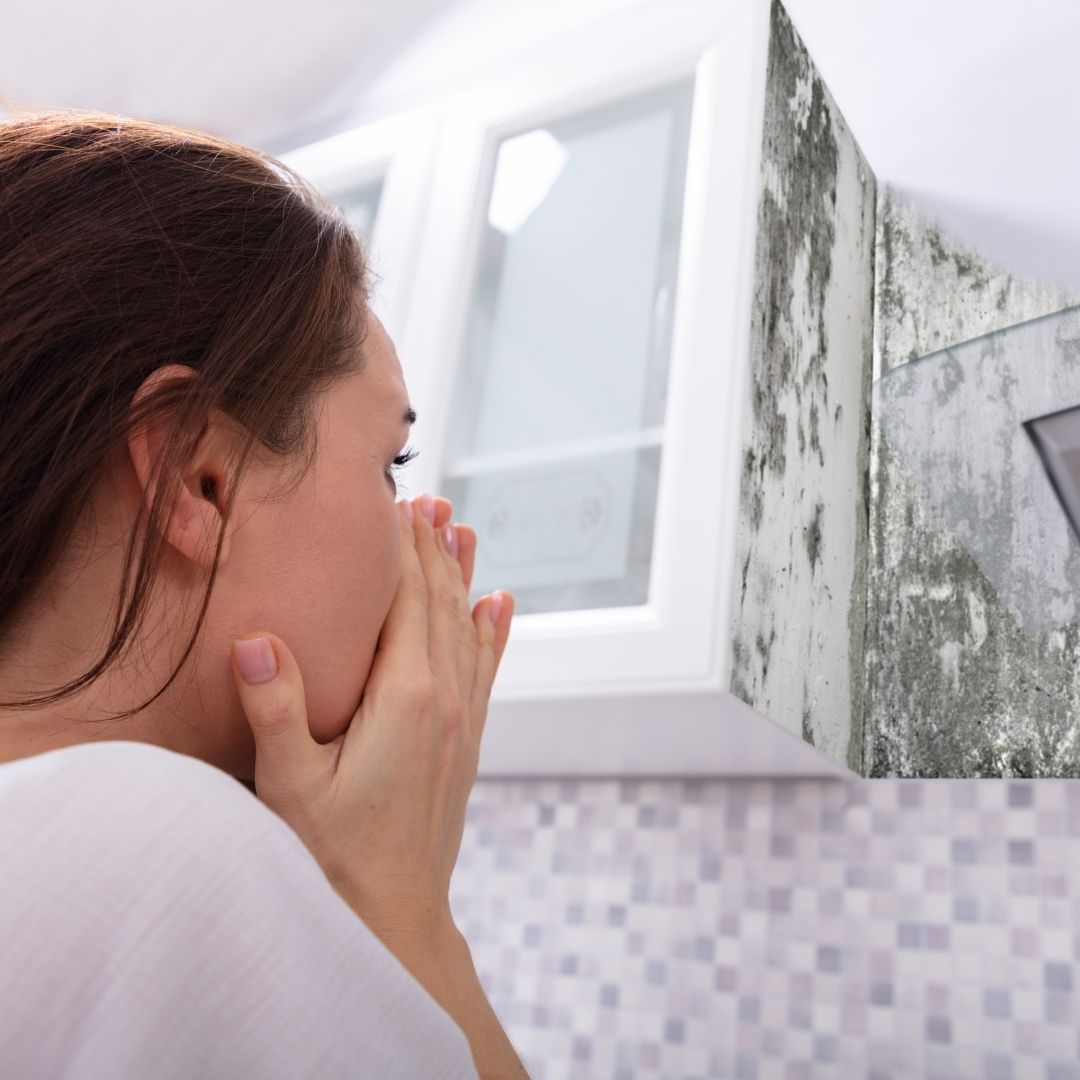
If rooms have high humidity and temperature, mold can form quickly. The risk of a mold infestation that is harmful to your health increases significantly when the air is contaminated with specific pollutants. You can prevent mold growth with the air-Q air quality monitor, since the air-Q is the world’s most sensitive air sensor—and it’s smart, too! Protect your home from anywhere and monitor the readings using the smartphone app or the desktop version.

In addition to spores, mold also releases volatile organic compounds (VOCs). Inhaling these gases can cause respiratory irritation, headaches, fatigue, coughing, allergic reactions, and, in some cases, even asthma attacks. The air-Q detects increases in VOC levels early on, so you can take action before health problems develop. This helps keep your living environment safe and pleasant.

Mold needs water, heat, and organic matter to grow. Especially during the winter months and in poorly ventilated rooms, areas can develop where the relative humidity becomes so high that moisture condenses, creating the perfect breeding ground for mold. At the same time, CO2 levels indicate when ventilation is insufficient, which increases the risk of moisture problems and mold growth. The air-Q monitors these levels and provides timely guidance on how to prevent mold growth. In addition, with the free mold risk calculator, you can quickly estimate the current risk level in your rooms.

Ambient temperature affects the likelihood of condensation on walls and furniture. Low temperatures combined with high humidity create ideal conditions for mold. The air-Q not only displays critical temperature ranges in real time, but also uses the mold index to assess how changes in temperature and humidity affect the long-term risk of mold. This allows you not only to detect immediate hazards, but also to track trends and take preventive, targeted action.

The air-Q mold index was developed to assess the potential risk of mold. Air humidity and temperature are analyzed over a specific period to estimate the potential mold load. A high mold index indicates a low risk, while a low index indicates a high risk.
The mold index can be enabled in the air-Q app and is displayed as an individual sensor reading. All display options are also available for the mold index, including LED themes on the air-Q, audible alerts, push notifications/email, and Smart Widgets.

You'll receive alerts via email or real-time push notifications.

Thanks to LEDs and loud audible alarms, critical situations are immediately recognized and heard.

Reliable detection using dedicated sensors prevents false alarms and ensures safety.

Mold consists of microorganisms that thrive in humid environments and are a natural part of the environment. However, indoors, they can pose significant health risks. Mold spores are present everywhere in the air, and indoors—under optimal conditions such as high humidity and poor air circulation—they find ideal conditions for growth.
Causes of Mold Growth
There are various causes of mold growth. They often stem from leaky roofs or walls, high humidity in rooms, or poor ventilation—especially in bathrooms and kitchens. Water damage, such as that caused by burst pipes or flooding, also contributes to mold growth.
Health Effects
Exposure to mold can cause a wide range of health problems. These include respiratory illnesses, allergies, and asthma attacks, as well as skin irritations and general symptoms such as headaches and pain in the limbs. People with preexisting respiratory conditions, older adults, and children are at particular risk.

To prevent mold growth, preventive measures are essential. Regularly ventilating rooms and controlling humidity—which should ideally be below 60%—are important steps. Leaks should be repaired immediately, and water damage should be dried out and repaired without delay. Use a sensitive air quality monitor with a mold alert or mold index to ensure you can take action in a timely manner.
Use of Mold Detectors
In addition, the use of mold detectors or air quality monitors capable of measuring the causes of mold can be helpful for continuously monitoring air quality. These devices provide early warning of high humidity and poor ventilation practices, as well as high concentrations of VOCs, so that preventive measures can be taken in a timely manner.
Conclusion
Overall, mold is a serious problem that can endanger both the building's structure and people's health. Through regular inspections and appropriate measures, you can create a healthy indoor environment and effectively prevent mold growth.