
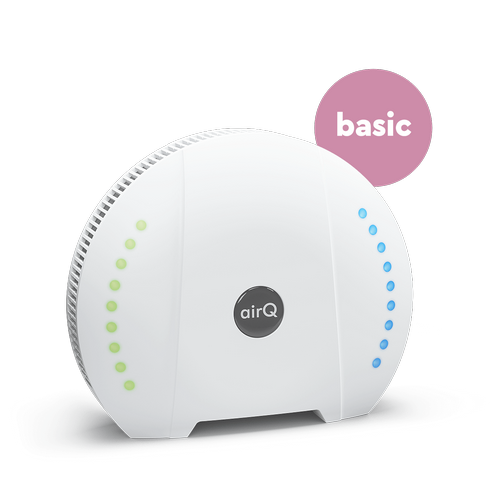
air-Q basic - The all-around solution for demanding air quality measurements
- Carbon dioxide
- Volatile Organic Compounds
- Relative humidity
- Air temperature
- Noise
- Fine Particles
- Carbon monoxide
- Atmospheric pressure
The gas crisis is here—it’s clearly evident! Energy costs are rising, and many people are worried about their next heating bill. We’ll tell you how you can save on gas. The air-Q helps by telling you exactly when and for how long to ventilate. That way, unnecessary heat doesn’t escape outside, and your risk of mold stays low. Be sure to check out our other tips for saving gas and reducing energy costs.
Buy the air-Q and save energy
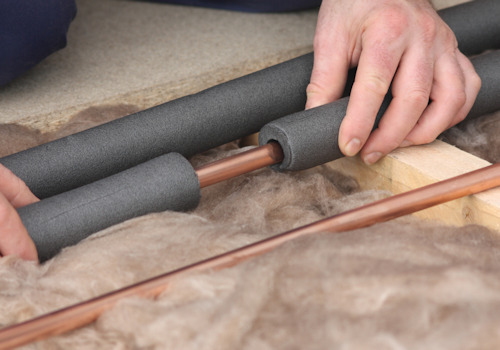
Make sure your heating pipes are well insulated. Even a short section of uninsulated heating pipe can cause significant heat loss. You should also check that your doors and windows are adequately insulated.
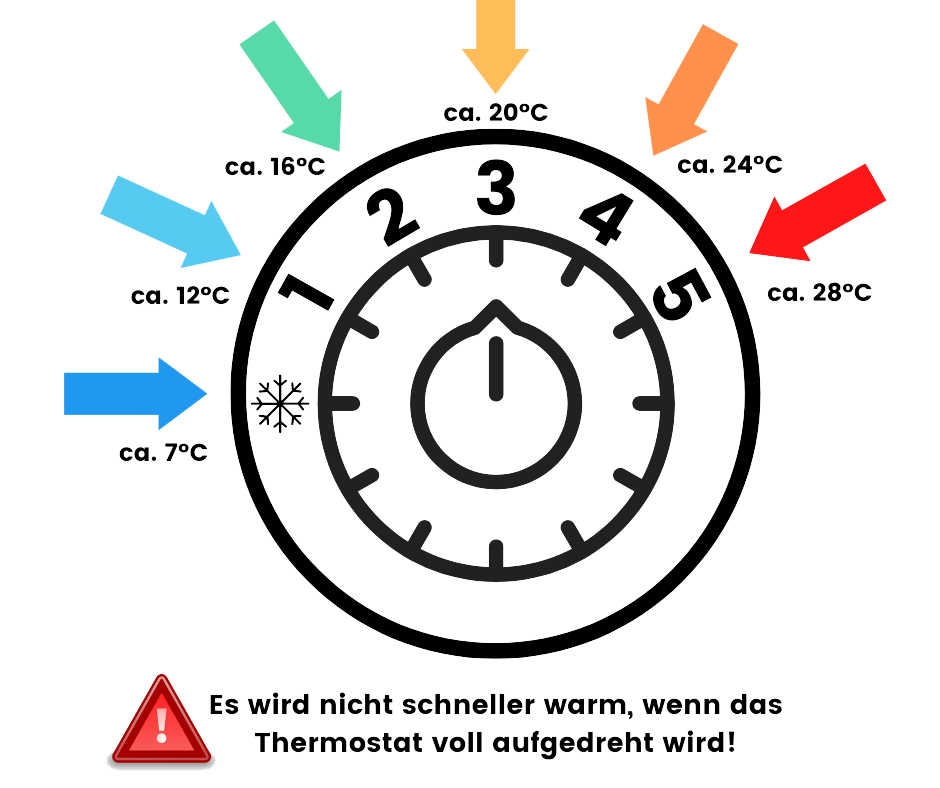
With an electric thermostat that displays the temperature, you can heat your rooms as recommended. The kitchen and bedroom should be kept cooler (16–18 °C), while the living room and children’s room should be heated to a comfortable 22 °C. The meanings of the settings on a standard thermostat are shown in the following infographic:

Proper ventilation is one of the most important ways to save energy. A window that’s left permanently ajar causes a huge loss of heat, while ventilating too infrequently increases the risk of mold. Find the right balance with the air-Q. It tells you exactly when and for how long to ventilate. Brief, intense ventilation is the most energy-efficient method.
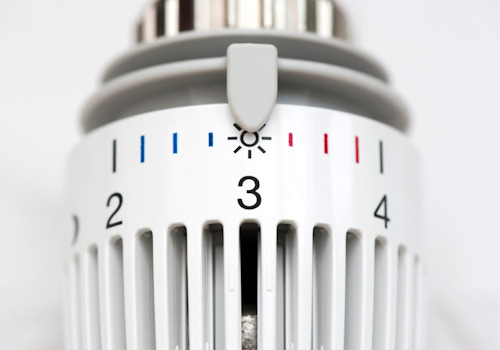
A widespread myth claims that you should never turn off the heat completely, because heating a cooled-down room back up to full temperature would use more energy. That’s not true! Generally speaking, the less you heat, the less you pay. Always turn off your heat—or set it to the frost-protection setting—when you leave home for an extended period or when you go to sleep.
If your heating system has a timer, be sure to use it. Turn off your heating at night and turn it back on just one or two hours before you get up. Turn off the heating before you leave home, since radiators—and especially underfloor heating—continue to give off heat for a long time, which you can take advantage of for free.
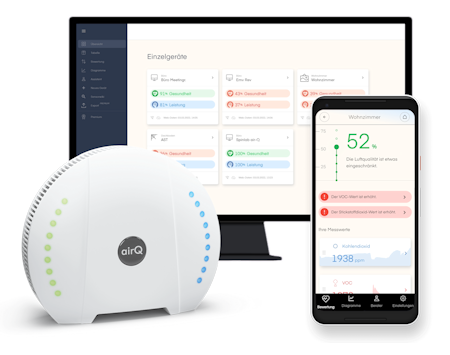
All measured values can be viewed and analyzed using the air-Q smartphone app. Nothing goes unnoticed, since the sensors used in the air-Q measure at a sampling rate of less than two seconds—in other words, truly in real time. In addition, the air-Q can be networked and is compatible with standard smart home systems. Thanks to its open data interfaces, there are no limits to conducting your own in-depth analyses or integrating it with your smart home.

14 calibrated sensors + app for smartphones and PCs + made in Germany + durable technology

Interchangeable sensors + carbon-neutral shipping + plastic-free packaging

Digital health advisor with personalized recommendations + voice assistants + smart home integration with IFTTT, Homey, openHAB, etc.